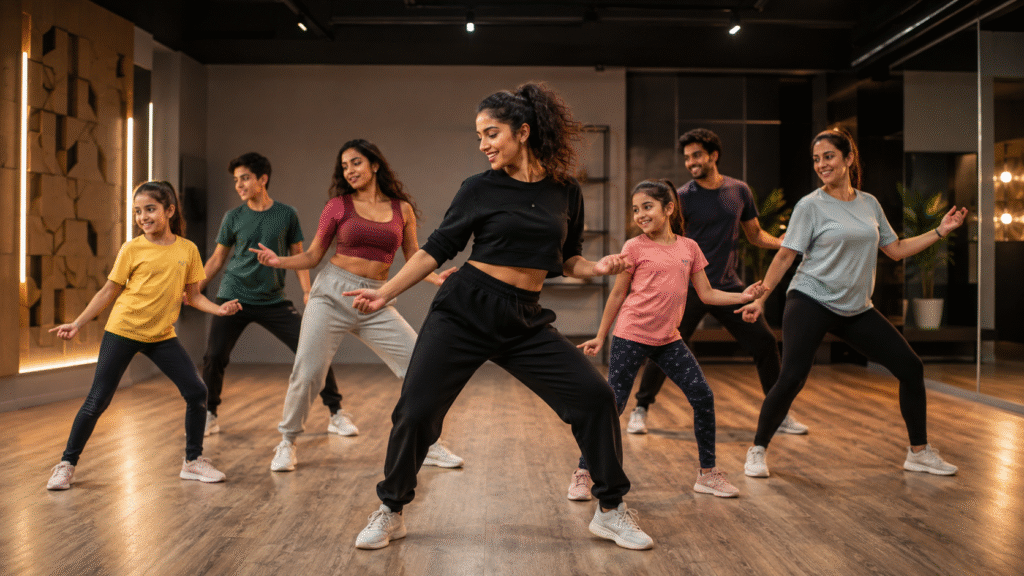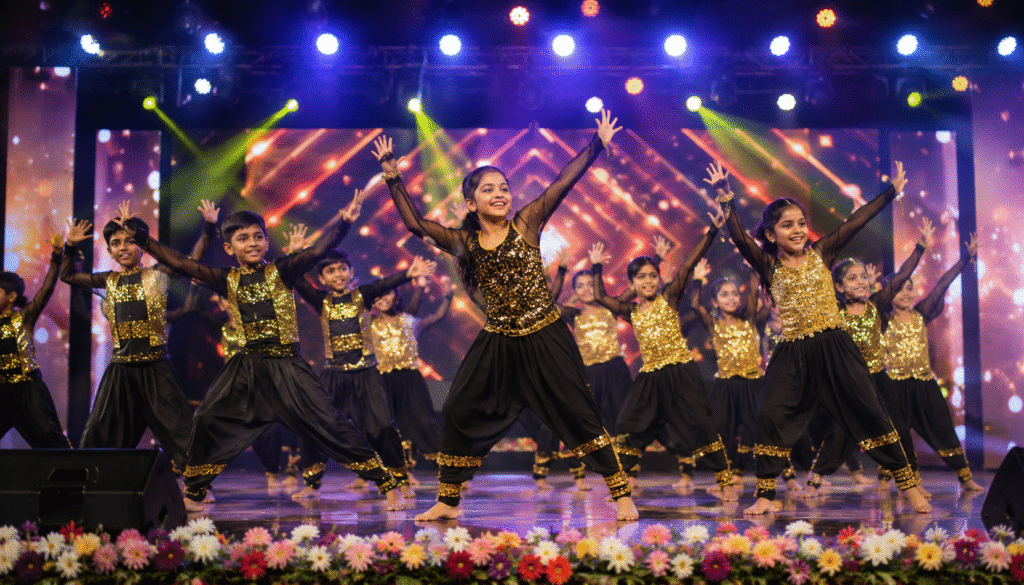
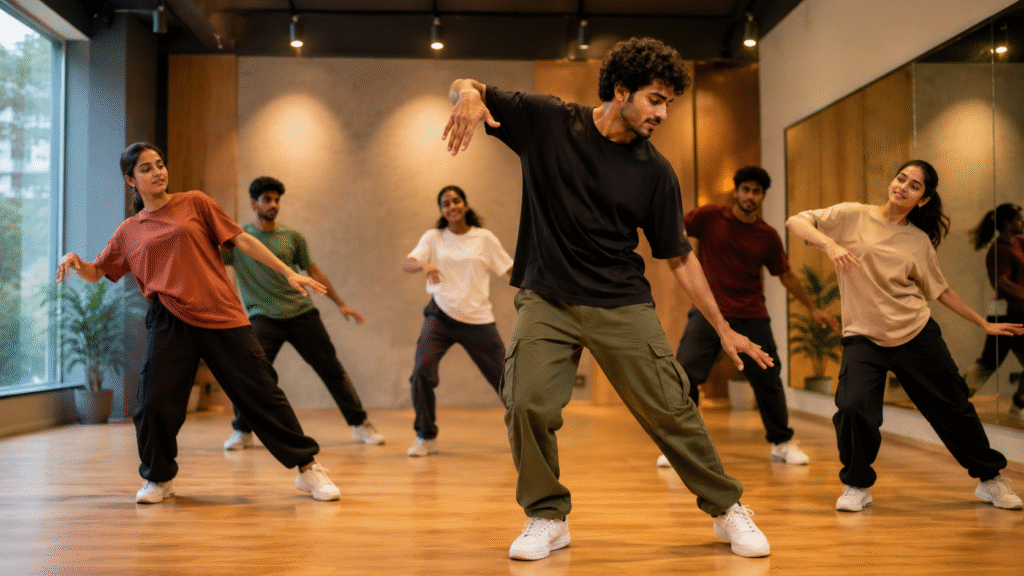
Are you looking for a friendly and energetic place to learn dance near T. Dasarahalli or Jalahalli?
Kalakendra offers freestyle dance classes in T Dasarahalli for kids, teenagers and adults who want to improve their movement, confidence, fitness and performance skills. The classes are designed for both complete beginners and learners who already have some dance experience.
You do not need to be flexible, highly fit or professionally trained before joining. The purpose of the class is to help you learn step by step in a comfortable and encouraging environment.
At Kalakendra, students are introduced to freestyle movement, musicality, coordination, expressions and choreography through practical sessions. Training is adapted according to the age group, experience level and learning pace of each batch.
People from T. Dasarahalli, Jalahalli Cross, Officers Model Colony, Mallasandra, Peenya, Nagasandra and nearby areas can contact Kalakendra to check current batch timings and trial-class availability.
Interested in joining?
Message Kalakendra on WhatsApp at +91 77368 75897 to enquire about the suitable batch.
Who Can Join Our Freestyle Dance Classes?
Kalakendra’s freestyle classes are suitable for different age groups and learning goals.
Freestyle Dance Classes for Kids
Dance can help children become more active, expressive and comfortable performing in front of others.
Kids’ classes may focus on:
- Basic steps and body movement.
- Rhythm and beat understanding.
- Balance and coordination.
- Simple choreography.
- Expressions and stage confidence.
- Group participation.
- Memory and movement recall.
- Enjoyable physical activity.
The training is kept age-appropriate so that children can learn without feeling pressured.
Freestyle Dance Classes for Teenagers
Teenagers often want to learn trending choreography, improve performance skills or prepare for school and college events.
Teen batches may include:
- Freestyle combinations.
- Bollywood-inspired movement.
- Musicality exercises.
- Body control and coordination.
- Expressions and presentation.
- Group formations.
- Performance preparation.
- Confidence-building activities.
Students can gradually develop their own movement quality instead of only copying steps.
Freestyle Dance Classes for Adults
Adults may join for fitness, relaxation, confidence, social interaction or simply because they enjoy dancing.
You can join even when:
- You have never attended a dance class.
- You feel shy while dancing.
- You think your body is not flexible.
- You find it difficult to remember steps.
- You have not exercised regularly.
- You want a more enjoyable physical activity.
- You want to perform at personal or community events.
Training progresses gradually so that beginners can understand each movement before combining it into choreography.
Classes for Beginners
Beginners are welcome at Kalakendra. Students are not expected to know dance terminology or advanced movements before joining.
The initial sessions may focus on:
- Understanding rhythm.
- Basic warm-up movements.
- Footwork practice.
- Hand and body coordination.
- Simple step combinations.
- Direction changes.
- Expression and confidence.
- Following music comfortably.
Students are encouraged to improve consistently rather than compare themselves with experienced dancers.
Why Join Freestyle Dance Classes?
Freestyle dance is flexible and expressive. It allows students to learn different movement styles while becoming comfortable with music and performance.
Improve Body Coordination
Dance requires the hands, legs, posture and facial expressions to work together. Regular practice can help students develop better movement awareness and control.
Build Confidence
Many beginners initially feel nervous about dancing in front of others. A supportive class environment can help students become more comfortable with movement and performance.
Stay Physically Active
Dance involves continuous movement and can provide an enjoyable way to remain active. The intensity varies according to the choreography, student age and batch level.
Understand Rhythm and Music
Students learn to recognise beats, follow timing and coordinate movement with music.
Develop Memory and Focus
Remembering movement sequences requires concentration. Students gradually learn how to observe, practise and recall choreography.
Improve Expressions and Presentation
Dance is not only about steps. Expressions, posture, energy and stage presence can make a performance more engaging.
Reduce Everyday Stress
For many students, dance provides a creative break from work, studies and routine responsibilities.
Prepare for Performances
Students interested in stage programmes, school events, cultural activities or community performances can develop choreography and performance experience through regular training.
Training Style at Kalakendra
Kalakendra follows a practical and student-friendly approach to freestyle dance training.
Warm-Up and Movement Preparation
Sessions generally begin with simple movement preparation to help students become ready for dance practice.
The warm-up may include:
- Light mobility exercises.
- Basic stretches.
- Rhythm-based movement.
- Footwork preparation.
- Posture and balance practice.
Students should inform the instructor about any injury, pain or physical limitation before participating.
Step-by-Step Teaching
Choreography is divided into smaller sections so students can understand the movements properly.
The instructor may first demonstrate the step, explain the direction and rhythm, and then allow students to practise it repeatedly before moving to the next combination.
Technique and Coordination
Students work on more than memorising choreography. Attention may also be given to:
- Body alignment.
- Hand and leg coordination.
- Weight transfer.
- Timing.
- Movement clarity.
- Energy control.
- Transitions between steps.
Musicality Training
Musicality means understanding how movement connects with music.
Students may learn to recognise:
- Main beats.
- Rhythm changes.
- Pauses.
- Lyrics.
- Fast and slow sections.
- Accents in the music.
This helps dancers perform with the song rather than simply complete the steps.
Expression and Performance Practice
Students are guided to use suitable facial expressions, posture and performance energy according to the choreography.
This can be especially helpful for students preparing for:
- School programmes.
- College events.
- Cultural functions.
- Family celebrations.
- Community stages.
- Dance videos.
- Group performances.
Revision and Repeated Practice
Previous steps may be revised before new choreography is introduced. Regular repetition helps students remember movements and improve performance quality.
Supportive Group Environment
The aim is to create a class where students can practise without fear of embarrassment. Corrections are given to help learners improve, not discourage them.
Freestyle Dance Academy in T. Dasarahalli
Choosing a nearby dance academy can make regular attendance easier.
Kalakendra is conveniently relevant for students searching for a freestyle dance academy in T Dasarahalli and surrounding locations such as:
- Jalahalli.
- Jalahalli Cross.
- Officers Model Colony.
- Mallasandra.
- Peenya.
- Nagasandra.
- Bagalagunte.
- Hesaraghatta Road.
- Nearby areas of North Bengaluru.
Students or parents can contact the academy before visiting to confirm the current class location, batch timing and availability.
Freestyle Dance Training in Bangalore North
People searching for freestyle dance training in Bangalore north often have different requirements. Some want regular hobby classes, while others want fitness, stage exposure or performance preparation.
Kalakendra’s training may be suitable for students who want to:
- Learn dance as a new hobby.
- Build confidence.
- Become more physically active.
- Prepare for a school or college event.
- Join group performances.
- Improve coordination and rhythm.
- Learn choreography for social-media videos.
- Participate in local cultural programmes.
- Explore dance before choosing advanced training.
The instructor can recommend an appropriate batch after understanding the student’s age, experience and objective.
How Are the Batches Organised?
Batches may be arranged according to:
- Age group.
- Beginner or experienced level.
- Class capacity.
- Student availability.
- Training objective.
- Current choreography plan.
Separate or suitable batches may be available for kids, teens and adults, depending on the current schedule.
Before joining, students should confirm:
- Available batch days.
- Class timing.
- Age eligibility.
- Monthly fee.
- Trial-class availability.
- Dress requirements.
- Start date.
- Whether prior booking is needed.
Batch schedules may change, so it is best to confirm the latest details directly through WhatsApp.
Trial-Class Information
A trial class can help a student understand the teaching method, class atmosphere and approximate training level before enrolling.
To enquire about a trial class, send the following details on WhatsApp:
- Student’s name.
- Age.
- Previous dance experience, if any.
- Preferred days or timings.
- Whether the enquiry is for kids, teens or adults.
- Main purpose for joining.
Trial classes are subject to batch availability and prior confirmation. Any trial-class fee, suitable timing and participation requirements will be shared before the visit.
Please do not arrive without confirmation, as the preferred batch may be full or working on a level-specific choreography.
What Should You Wear for Dance Class?
Students should wear comfortable clothing that allows easy movement.
Suitable options may include:
- T-shirt with track pants.
- Comfortable sportswear.
- Stretchable clothing.
- Clean indoor footwear, when required.
Avoid clothing or accessories that restrict movement. Carry a water bottle and a small towel when needed.
Students should also avoid heavy meals immediately before class.
How to Get Better Results From Dance Training
Regular practice is more important than trying to learn everything quickly.
Students can improve by:
- Attending classes consistently.
- Arriving on time.
- Revising steps at home.
- Listening carefully to the music.
- Practising difficult sections slowly.
- Asking questions when confused.
- Accepting corrections positively.
- Recording practice only with permission.
- Staying patient during the learning process.
Every student progresses at a different speed. Confidence and coordination usually develop through repeated practice.